
Find Your Perfect Neighborhood: A Guide to Choosing the Right Community
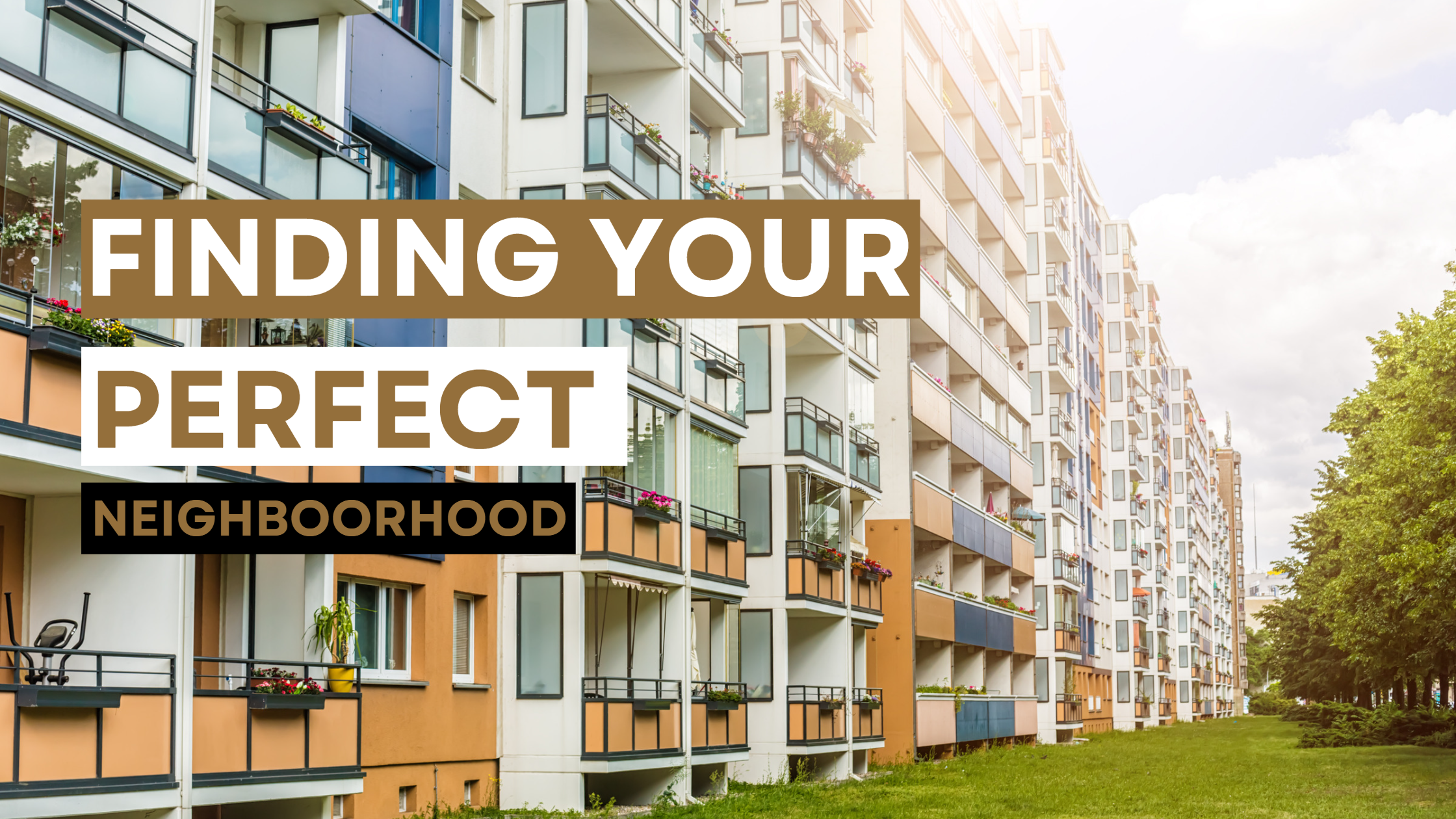
Choosing the perfect neighborhood is a crucial aspect of finding your dream home. It’s not just about the house itself; the community you live in can greatly impact your quality of life and overall happiness. In this blog post, we’ll guide you through the process of finding your perfect neighborhood, ensuring it aligns with your lifestyle, preferences, and needs. Let’s dive in!
1. Identify Your Priorities
Before starting your search, take some time to reflect on what matters most to you. Consider factors such as proximity to work, schools, amenities, safety, transportation options, recreational facilities, and the overall ambiance of the neighborhood. Make a list of your top priorities to help narrow down your options.
2. Research
Utilize online resources, real estate websites, and local forums to research different neighborhoods. Look for information on crime rates, school, nearby amenities, and community events. Pay attention to the neighborhood’s vibe, architectural style, and any ongoing developments or planned improvements.
3. Visit Potential Neighborhoods
Once you’ve identified a few neighborhoods that pique your interest, plan visits to explore them firsthand. Take walks, visit local parks, dine at nearby restaurants, and engage with locals to get a sense of the community. Observe the cleanliness, upkeep, and general atmosphere of the area to see if it resonates with your preferences.
4. Consider Your Lifestyle
Evaluate how well a neighborhood aligns with your lifestyle. Are you seeking a family-friendly area with good schools and parks? Or do you prefer a vibrant urban environment with cultural attractions and a bustling nightlife? Ensure the neighborhood caters to your hobbies, interests, and daily routines.
5. Talk to Locals and Experts
Connect with current residents to gain insights into the neighborhood’s pros and cons. Ask about community events, safety measures, and any concerns they may have. Additionally, consult with local real estate agents who possess in-depth knowledge about the area. They can provide valuable guidance and help you make an informed decision.
6. Assess Future Development
Consider any future developments or changes that may impact the neighborhood. Are there upcoming infrastructure projects, new businesses, or zoning changes that might affect the area’s character? Understanding the future outlook will give you a better idea of the neighborhood’s long-term potential.
7. Trust Your Gut Feeling
Ultimately, trust your instincts when choosing a neighborhood. If a place feels right and aligns with your vision of an ideal community, it might be the perfect fit for you. Pay attention to your comfort level, how you envision your life in that neighborhood, and whether it matches your goals and aspirations.